Exterior excavation and membrane
The expensive option, and occasionally the only honest one. Worth understanding before somebody sells you either version.
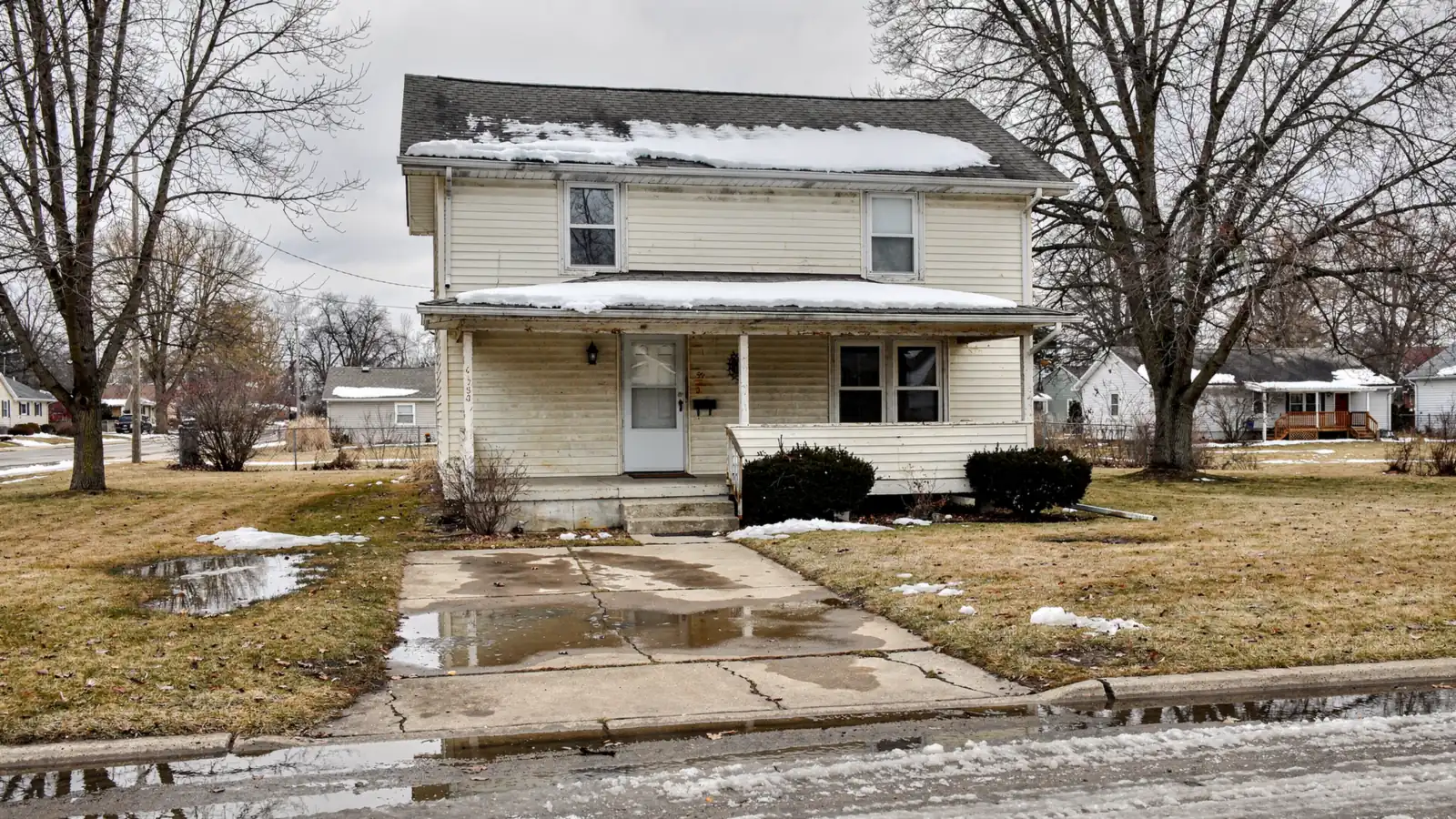
Exterior work means opening the ground along the foundation wall, all the way down to the footing, cleaning the wall face, applying damp proofing or a membrane, usually laying a new perforated drain at the footing on stone, and backfilling. It is the version most people picture when they imagine waterproofing a basement, and in this valley it is the less common of the two main answers.
When it is genuinely the right call
Three situations make the case on their own.
The original exterior drain has failed. Older houses here often have clay tile at the footing, laid in short lengths with open joints, which is exactly what tree roots and silt find attractive. Once it is packed, nothing on the inside of the wall will restore it, and the only route to it is down.
The wall face itself needs work. Damp proofing has a life. On a poured wall that is weeping through its face across a wide area rather than at one crack, or a block wall that is saturated through, a coating applied from outside is the only coating that is on the pressure side of the water. Anything applied to the inside face is working against the water rather than with it, which is why interior coatings so often blister off and get sold again three years later.
There is structural repair to do anyway. If a wall is being braced, re-built or re-tied, the outside is open regardless and the marginal cost of doing the waterproofing properly at the same time is small. This is the one case where paying for exterior work is obviously good value.
What makes it expensive here
Depth, first. Michigan requires exterior footings and foundation systems to sit 42 inches below actual grade, one number statewide with no county frost map, and under a full basement the footing is a good deal deeper than that. A trench to the footing of a seven foot basement is a seven foot trench, which means shoring, which means plant and time.
Then the ground. The clays here hold water and are heavy to move wet, and the spoil from a trench in Zilwaukee or Misteguay silty clay does not dry out helpfully while it sits on your lawn. Trade pricing reflects it: a Michigan contractor's 2026 guide puts exterior systems at 150 to 300 dollars and up per linear foot against 60 to 120 for interior work, which is the clearest single statement of why interior drainage wins most arguments in this market.
Then reinstatement, which is the part that surprises people, and then in some cases a second permit.
The permit nobody mentions
A building permit from your municipality is the one people expect. The one that catches exterior jobs specifically is the Saginaw County soil erosion and sedimentation control permit, issued by the county's Public Works and Drain Office at the courthouse on South Michigan Avenue. Earth moving on ground near a county drain, or work in a county drain right of way, sits with them rather than with the city. Thomas Township points residents at the county on 989-790-5258 for exactly this. In the Frankenmuth area the Construction Codes Group issues county soil erosion permits for both Saginaw and Tuscola counties, so the same question has a different answer depending on which side of the county line the house is on.
None of that stops the work. It does mean an honest quote has a line for it, and a quote that has never heard of it is a quote from somebody who has not done exterior work around here recently.
The comparison you are actually making
Against interior drainage, exterior work costs roughly two to three times as much per foot, takes longer, depends on the weather, and destroys what is above it. In exchange it is the only approach that touches the outside face of the wall and the original footing drain.
If the diagnosis is water under the slab, which in this valley it usually is, paying for exterior work buys very little that interior drainage would not have bought for a third of the money. If the diagnosis is a failed exterior drain or a wall face in poor condition, the reverse is true and interior work is a way of spending several thousand dollars without addressing the cause.
The spread between those two answers is large enough that a second opinion is cheap by comparison, and the cost page sets the ranges out side by side. Because excavation is separately named on the Michigan licence, it is also worth confirming that the licence in front of you covers it and not only the waterproofing craft. The licence page explains where to look.
Questions people ask
- Is exterior work better than interior work?
- It is not a ranking. They address different things. Exterior excavation gets at the outside face of the wall, which is the only way to put new damp proofing or a membrane on it and the only way to replace a collapsed exterior footing drain. Interior drainage gets at water under the slab, which is where the water in most valley basements actually is. A contractor who always recommends the same one regardless of what your basement is doing is selling a product rather than diagnosing a problem.
- What happens to the landscaping and the driveway?
- This is the cost nobody quotes. Reaching the footing means a trench alongside the house roughly as deep as the basement, which means anything above it goes: shrubs, porch steps, a patio slab, part of a drive, sometimes a deck. Utilities on that side have to be located first. Ask for the reinstatement to be priced in writing rather than described, because the gap between the two is where disputes start.
- Can this be done in winter here?
- Poorly. Frozen ground and 49 inches of annual snow make a deep open trench slow, dangerous and expensive, and backfill placed over frozen spoil settles badly the following spring. Most exterior work in this valley is scheduled from late spring through autumn, which also means the quotes you get in February are for work in May.
Where these numbers come from
- Exterior waterproofing per linear foot and total range (Mansour's Innovations, Southeast Michigan trade guide 2026, checked 24 September 2026)
- Exterior waterproofing average and excavation per cubic yard (This Old House, updated March 2026, checked 24 September 2026)
- Soil erosion and sedimentation control permits, county drain right of way (Saginaw County Public Works and Drain Office, checked 24 September 2026)
- Licence crafts including excavation, MCL 339.2404(3) (Michigan Compiled Laws, checked 24 September 2026)
Last checked 24 September 2026.